From Football Boots to Match Data: How Technology Is Changing the Modern Fan Experience


Football has always been about what happens on the pitch: the boots, the ball, the players and the moments that decide a match.
But the way fans experience the game has changed dramatically.
A football supporter today may start by comparing the latest boots worn by professional players, then check the evening fixtures, look at the teams’ recent form, search for the channel showing the game and finally explore previous meetings between the two sides.
Modern football is no longer experienced only during the 90 minutes of a match. It has become a continuous digital experience built around equipment, statistics, information and history.
Football Boots Are Only One Part of the Experience
For players, choosing the right football boots can have a direct impact on comfort, control and confidence on the pitch.
Different surfaces require different types of footwear, while speed-focused players may look for something very different from those who prioritize touch and stability.
For fans, however, interest in football equipment is often closely connected to a much broader passion for the game.
Someone looking at the latest Adidas, Nike or Puma football boots may also want to know which players use them, what matches are being played that day and how those players and teams are performing.
Technology has made it possible to move between all of these parts of football within seconds.
The Rise of the Data-Driven Football Fan
Football supporters have access to more information than ever before.
A match is no longer represented by only two team names and a final score.
Fans increasingly expect to find information such as:
- Match date and kickoff time
- Competition and season
- Stadium
- Team form
- Previous results
- Head-to-head meetings
- Match statistics
- Lineups
- Players and coaches
- Broadcasting information
This has created a new type of football fan—one who watches the game but also explores the data surrounding it.
Platforms such as Namra10 reflect this shift by connecting matches with information about teams, players, competitions, stadiums and other parts of the football ecosystem.
Instead of treating every match as an isolated event, the data allows fans to see it as part of a much larger story.
Finding Where a Match Is Being Shown
One of the most common questions before kickoff is simple:
Where can I watch the game?
Broadcasting rights have become increasingly complex. A competition may be available on one network in the Middle East, another broadcaster in Europe and a completely different service elsewhere.
That makes broadcasting information an important part of the modern match experience.
Rather than searching separately for every fixture, fans can use dedicated football match channels pages to explore channels and the matches associated with them.
Of course, the actual broadcast should always be watched through the official rights holder or licensed service available in the viewer’s region.
But knowing which channel carries the match saves time and makes planning matchday much easier.
Football History Is Becoming Searchable
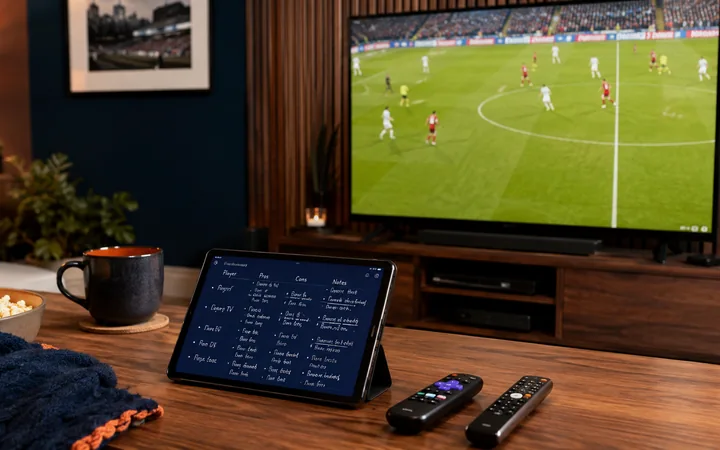
Another major change is the accessibility of football history.
Not long ago, finding the result of a match played decades earlier could require newspapers, books or specialist archives.
Today, increasingly large football databases allow supporters to move from a current match to previous seasons and historical encounters in seconds.
That matters because football is a sport built on history.
Every major rivalry has previous chapters. Every club has generations of players. Every national team has victories, disappointments and tournaments that shaped its identity.
For a fan, being able to explore that history adds context to what happens today.
A match between two clubs becomes more interesting when you can see how often they have met before, who dominated previous encounters or how results changed across different eras.
From 1872 to the Modern Game
Football data can now stretch surprisingly far into the past.
Namra10’s database includes historical matches reaching back to 1872, the year of the famous international match between Scotland and England that is widely associated with the early history of international football.
That creates an interesting contrast.
A supporter can be looking for a match taking place tonight and, only moments later, be exploring games played more than 150 years ago.
For football enthusiasts, researchers and content creators, this type of historical depth makes football databases much more than score services.
They become digital archives of the sport.
Equipment and Data Tell Different Parts of the Same Story
At first glance, football boots and football databases may seem like completely different subjects.
But they are both part of how modern fans engage with the sport.
The boots tell us about performance, technology and player preferences on the pitch.
The data tells us what happened, who played, where the game took place and how today’s match fits into football history.
Together, they show how much the football experience has evolved.
Fans can study the equipment used by their favorite players, follow current matches, explore statistics and then travel backwards through decades of football history—all from the same device.
The Future of Following Football
The next stage will likely make these experiences even more connected.
Artificial intelligence, larger sports databases and improved personalization could make it easier to discover trends, compare teams across generations and find relevant historical matches automatically.
Instead of simply asking who won a match, fans may increasingly ask why a team performed differently, how its current form compares with previous seasons or whether two clubs have produced similar results before.
The more structured football data becomes, the more possibilities emerge.
Final Thoughts
Football will always be decided on the pitch.
The quality of the boots, the skill of the players and the decisions made during 90 minutes will remain at the heart of the sport.
But everything surrounding those 90 minutes is changing.
Modern fans now combine equipment, live fixtures, statistics, broadcasting information and historical records to build a much richer understanding of the game.
From choosing the right pair of football boots to discovering a match played more than a century ago, technology is bringing every part of football closer together.

كريم أحمد هو كاتب مقالات يتميز بأسلوبه البسيط والعميق في الوقت نفسه، حيث يجمع في كتاباته بين الفكرة الهادفة واللغة الجذابة التي تشد القارئ من السطر الأول. يكتب كريم في مجالات متنوعة تشمل الحياة اليومية، الثقافة، التكنولوجيا، الصحة، والتنمية البشرية، مما يمنح قراءه تجربة فكرية متكاملة تجمع بين المعرفة والإلهام. يتمتع بقدرة عالية على تبسيط المواضيع المعقدة وجعلها قريبة من القارئ، مع طرح أفكار جديدة بأسلوب متوازن يفتح باب النقاش والتفكير. يسعى كريم أحمد من خلال مقالاته إلى إثراء المحتوى العربي وتقديم مادة غنية تجمع بين المعلومات الموثوقة والأسلوب الأدبي الراقي، مما يجعل كتاباته مميزة ومحببة لدى جمهور واسع من القراء.